
.
.
 |
Kimberly S. Chiew, Ph.D. Principal Investigator Dr. Chiew is an Associate Professor in the Department of Psychology at the University of Denver. She completed a Bachelor’s degree in Neuroscience at the University of Toronto, a Ph.D. in Cognitive Psychology at Washington University in St. Louis and a postdoctoral fellowship at Duke University’s Center for Cognitive Neuroscience. She is a member of DU Psychology’s Affect-Social-Cognitive area and affiliated with the Developmental Cognitive Neuroscience program. Dr. Chiew is interested in how motivation and affect — what we want and how we feel — shape the way we allocate attention, control task performance, and learn and remember information; ultimately, supporting adaptive behavior. CV | Email | Google Scholar | Department Profile
|
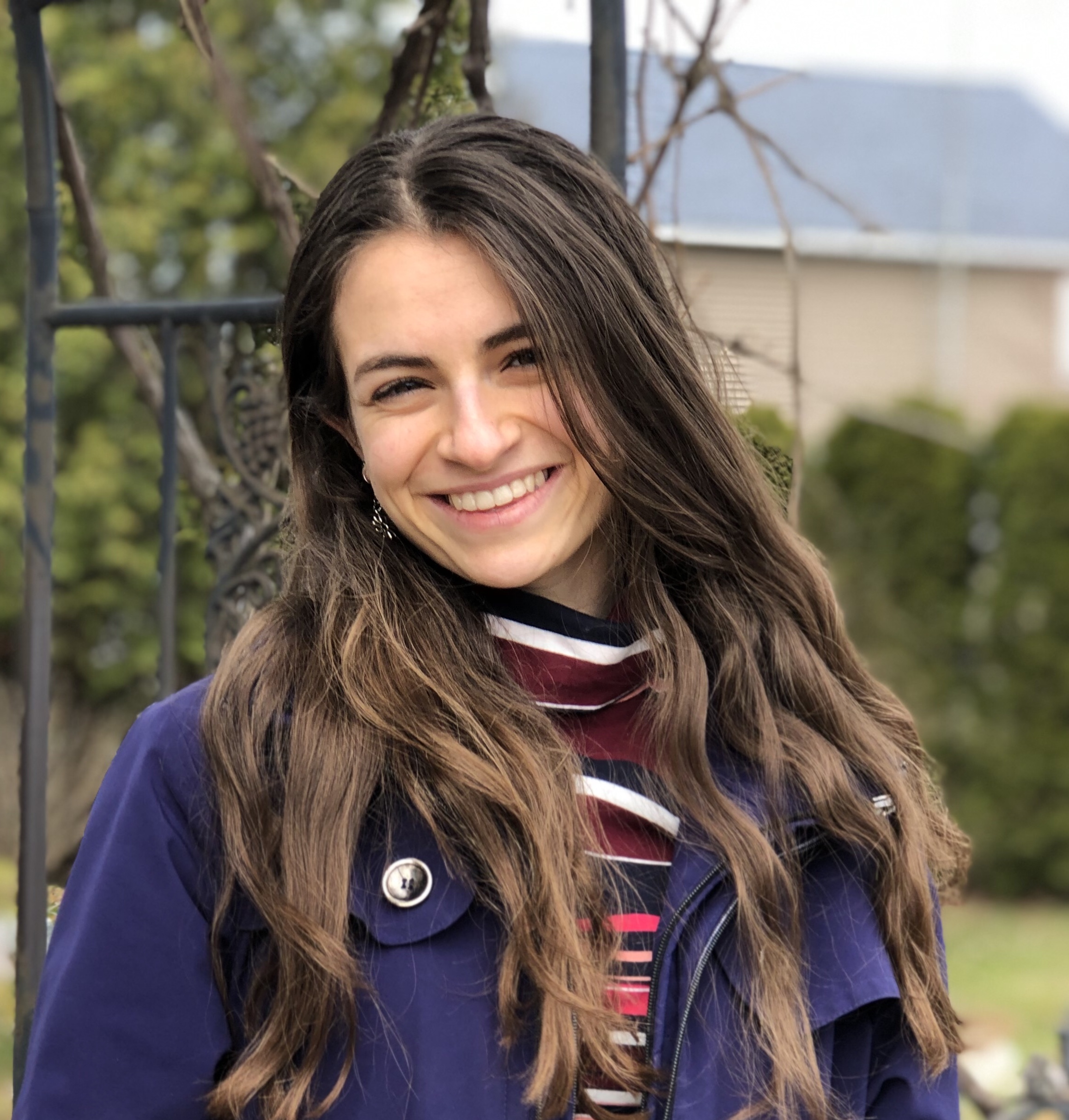 |
Alyssa Asmar Alyssa is a fourth-year graduate student from Michigan in the ASC area supervised by Dr. Chiew and Dr. Kateri McRae. She received her B.S. in Biopsychology, Cognition, and Neuroscience from the University of Michigan and spent the year after graduation as lab manager for the MAC and AACT Labs at the University of Denver. She is excited to continue her work in these labs to explore her interests in emotion regulation and how affective and cognitive processes can affect memory. In her free time, Alyssa loves to spend time in the mountains, create jewelry, and roller skate!
|
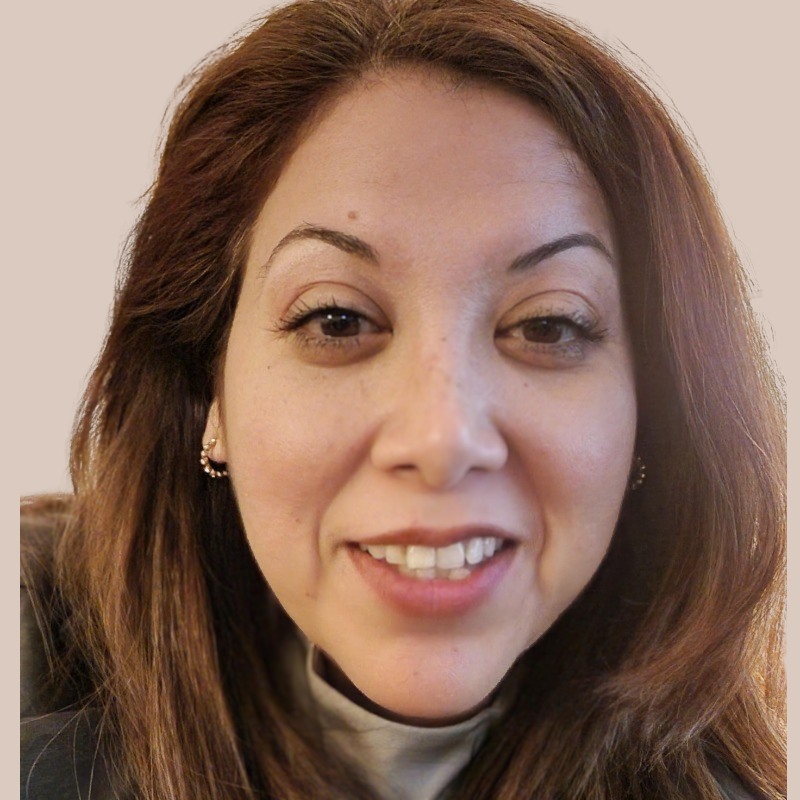 |
Evrim Baykal Evrim is a third-year graduate student in the ASC area, supervised by Dr.Chiew and Dr. Kateri McRae. Her research examines how affective, attentional, and cognitive processes interact in goals, motivation, and decision-making. Evrim’s master’s thesis used eye-tracking to explore the temporal effects of top-down emotion regulation on the relationship between attentional deployment, affect, and working memory load. She holds a B.S. in Advertising from the University of Texas at Austin, an MBA from the University of Miami-Coral Gables, and an M.S. in Psychology (Neuroscience & Behavior) from the University of Houston-Clear Lake. Before starting her Ph.D., Evrim was a faculty member in the Department of Network Programming and A.I. at Houston Community College. She loves the arts and has worked as a professional singer, and in her free time, enjoys the outdoors with her son and pets!
|
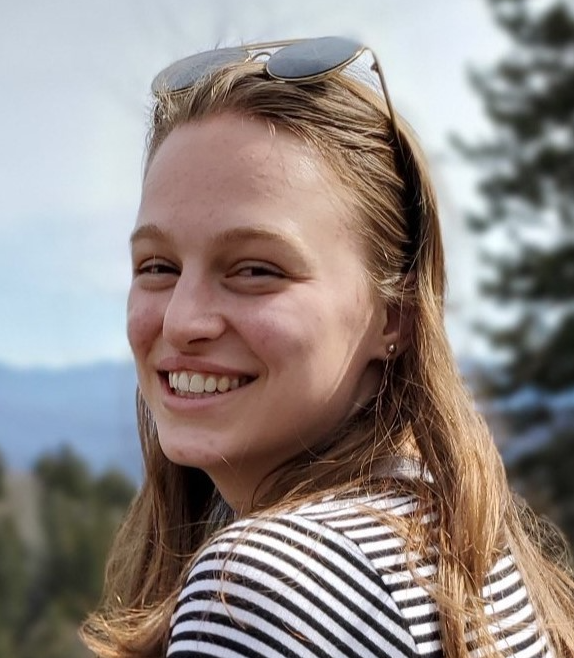 |
Rachel Brough Rachel is a fourth-year graduate student in the ASC area. She graduated from Washington University in St. Louis with degrees in Cognitive Neuroscience and Anthropology, and then spent two years working as a research technician there on the Dual Mechanisms of Cognitive Control project, led by Dr. Todd Braver. Rachel is interested in the neural and cognitive mechanisms underlying how cognitive control is adapted in response to different types of motivational and emotional contexts. She is also interested in how lab-based measures of cognitive control translate to executive functioning skills in daily life. Outside of the lab, Rachel enjoys reading, hiking, dancing, thrift shopping, and spoiling her cat, Chamomile.
|
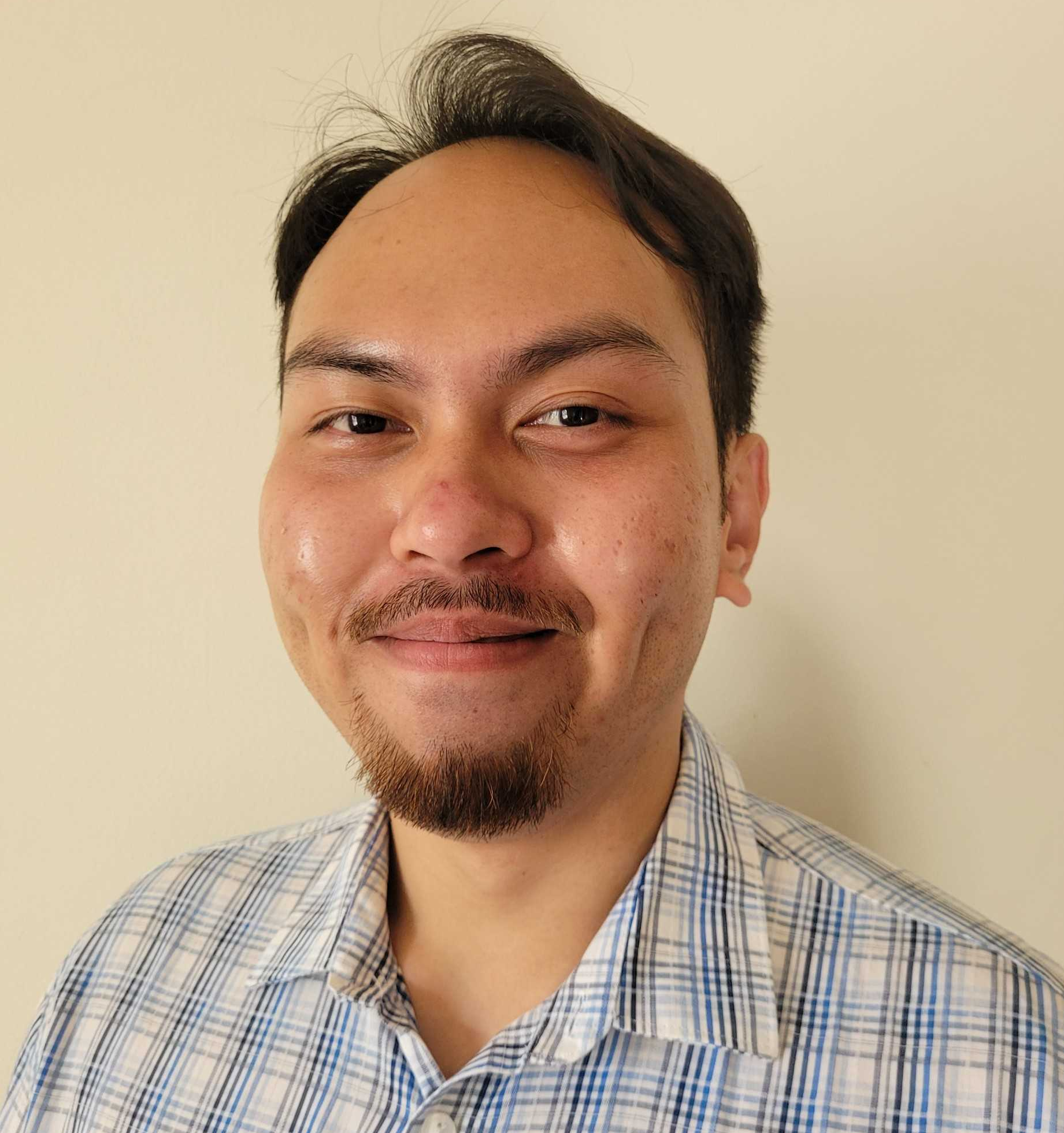 |
Jay Von Monteza Von is a fourth-year graduate student in the ASC area supervised by Dr. Peter Sokol-Hessner and Dr. Chiew. Originally from the Philippines, he lived in Southern California for most of his life, where he earned his Associate degree in Psychology and Art from Riverside City College (RCC) and his Bachelor degree in Psychology from California State University, San Bernardino (CSUSB). Before joining the Sokol-Hessner lab and the MAC lab, Von was a research assistant in the Koshino lab at CSUSB, the STEM en familia program at RCC, and the Virtual Lab at the Center for Decision Research, Chicago Booth. He is interested in interactions between attention, memory, emotion, motivation, reasoning, cognitive control, and decision-making in both neurotypical and neurodivergent populations. Outside the lab, Von enjoys music, manga, anime, k-dramas, hikes, and drawing.
|
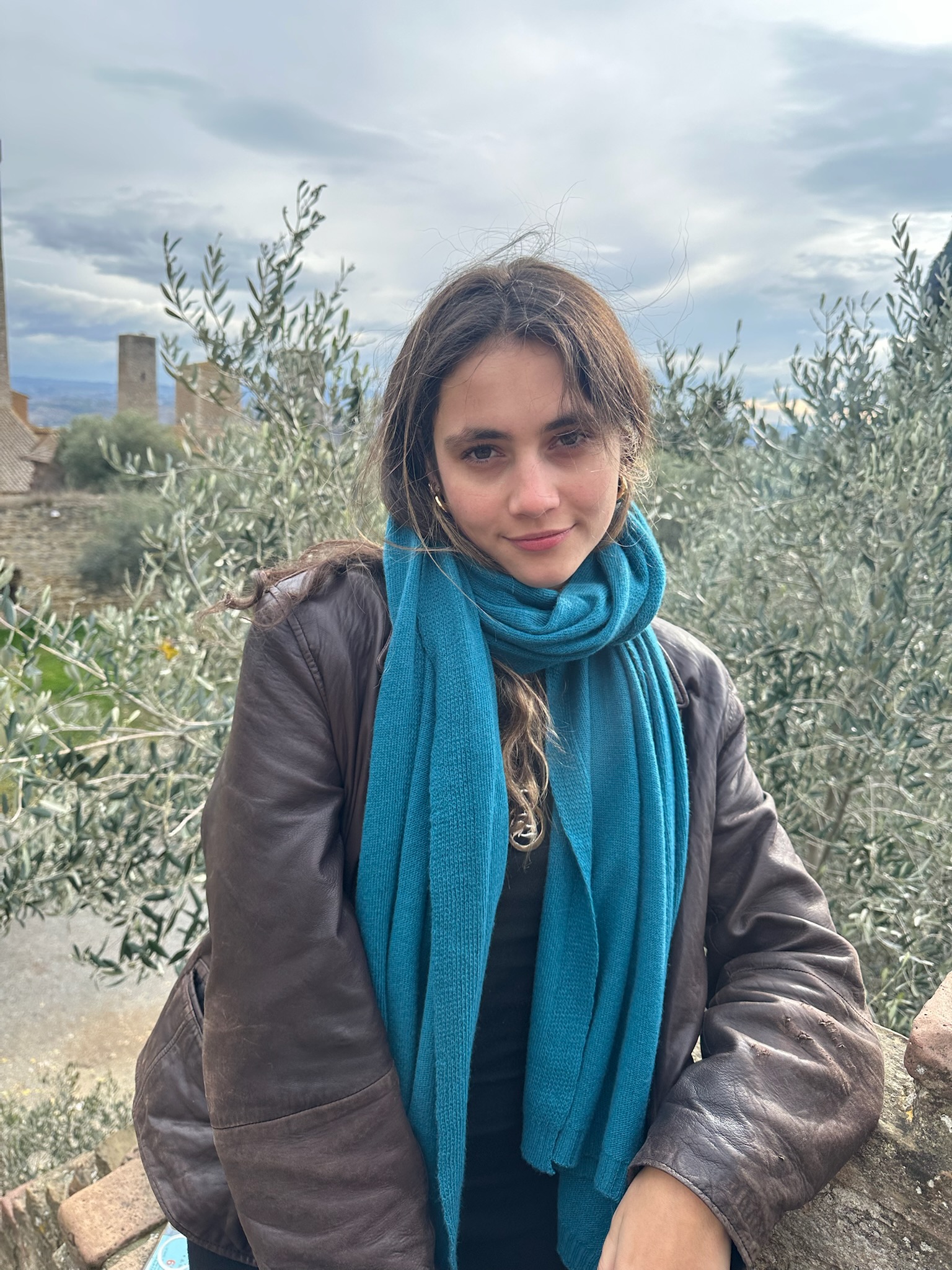 |
Cora Linn Burke Cora Linn is a 4th year undergraduate studying Psychology with a Cognitive Neuroscience concentration and minors in English and Biology. She is interested in the neural mechanisms underlying emotional experiences in the amygdala, and how they impact learning and memory, to better understand subjective human perception. After graduation, she plans to pursue research and ultimately a PhD in Cognitive Psychology or Neuroscience investigating emotional memory. Outside of the lab, Cora Linn enjoys reading and writing, especially poetry, as well as painting and listening to music.
|
 |
Amara Guss Amara is a third-year undergraduate student at DU majoring in Socio-Legal Studies and Psychology and concentrating in Cognitive Neuroscience, with minors in Biology and Philosophy. Amara is interested in the neural mechanisms of decision-making and how the processes of and responses to decision-making manifest in the brain. After graduation, she plans to pursue research and ultimately a PhD program in psychology and cognitive neuroscience. Outside of the lab, Amara enjoys music, reading, playing video games, and serves as the vice-president of the DU Philosophy Club.
|
 |
Emma Taoka Emma is a third-year undergraduate student from Centennial, Colorado. She is majoring in Biology and Psychology with a concentration in Cognitive Neuroscience and a minor in Chemistry. After college, Emma hopes to go on to graduate school, and currently she is exploring several areas of cognitive neuroscience to further determine what her main interest is. In her free time, Emma enjoys reading, dancing, and baking.
|
 |
Ouija Ouija is from Colorado and was adopted from Rocky Mountain Feline Rescue. His hobbies include contributing to Dr. Chiew’s grants by walking on keyboards, requesting more food (always), monitoring the outdoor squirrel situation, and napping.
|
 |
Chamomile Chamomile (or Cami for short!) is a graduate student affiliate from St. Louis, Missouri. She takes her role of providing emotional support cuddles very seriously, and enjoys bird watching, testing out new places to nap, and confiscating pens to hide under the couch.
|
 |
Could this be you? We may have opportunities for motivated and reliable undergraduate and graduate students to join the MAC Lab! Interested students should email Dr. Chiew to discuss potential research opportunities. We value the cultivation of a supportive and inclusive scientific training environment and particularly encourage individuals from groups underrepresented in science to get in touch. |